What’s the Difference Between ADD and ADHD?

ADD and ADHD are terms that make many people feel confused when they hear them. However, the fact is very simple. The difference between ADD and ADHD is the change in the name, with ADD being an older name that existed in the past. It is similar to how the term “car phone” has been replaced by “cell phone,” although it means the same. However, since 1987, “ADHD” has been the term that has been used, as the official name by the medical society for this condition.
Why did the name change?
When doctors used to say someone had ADD before 1987, the term Attention-Deficit Disorder was what they meant. They used ADD for everyone, whether they were hyperactive or non-hyperactive. Later on, they found the most important feature called ‘hyperactivity’ that was also part of their symptomatology, so this had to be included in the name.
Just consider this: … Read more
Bad Habits That Will Make Your Hair Weak
Healthy, strong, and voluminous hair is often considered a key element of personal grooming and overall confidence. However, achieving and maintaining healthy locks requires more than just applying good styling products. Many individuals struggle with hair breakage, thinning, and split ends without realizing that their daily routines are the primary root cause.

While genetics and environmental factors play a role in hair health, everyday habits frequently sabotage growth efforts. Unconscious behaviors performed on a daily basis can gradually erode the structural integrity of hair strands, leading to brittle, fragile hair over time. Understanding and breaking these detrimental habits is essential for restoring natural vitality and strength.
Below are the most critical bad habits that weaken hair, along with the reasons why they damage the hair shaft and simple shifts to fix them.
1. Washing Hair with Excessively Hot Water
Taking a hot shower may feel relaxing after a long … Read more
A Comprehensive Guide to Choosing the Proper Diet Program
In the modern health and wellness landscape, we are inundated with an overwhelming amount of information regarding nutrition. From social media influencers touting the latest “superfoods” to best-selling books promising rapid weight loss, the sheer volume of choices can lead to decision paralysis. Choosing a diet program is no longer a simple matter of eating less; it has become a complex navigation through scientific theories, marketing hype, and personal lifestyle constraints.

The truth is that there is no “one-size-fits-all” diet. What works for a marathon runner will not work for an office worker with a sedentary lifestyle, and what suits a teenager’s metabolism will likely fail a person in their sixties. Choosing the proper diet program requires a shift in perspective—from looking for the “best” diet to looking for the “right” diet for your unique biology and circumstances.
Understanding the Difference Between a Diet and a Lifestyle
The word “diet” … Read more
A Comprehensive Guide to Starting Your Health Day
The trajectory of your entire day is often decided within the first sixty minutes of waking up. How you treat your body and mind during this crucial window sets a chemical and psychological tone that lingers until you put your head back on the pillow at night. While many people succumb to the “reactive start”—checking emails, scrolling through social media, or rushing out the door with a caffeine-induced tremor—there is a more intentional way to live. Starting your health day is about building a foundation of vitality that makes challenges easier to handle and goals easier to reach.
To transform your life, you do not need a radical overhaul. Instead, you need a series of small, science-backed rituals that prioritize your biological needs.
The Biological Wake-Up Call: Hydration and Light
Before you reach for the coffee pot, your body is screaming for two things: water and sunlight. After six … Read more
Breakfast Cereals in the Morning Is Practical, But Is It Healthy?
In the fast-paced modern world, the morning routine is often a race against the clock. Between waking up, preparing for work or school, and managing household responsibilities, time is a luxury that few can afford. This is precisely why breakfast cereal has become a global staple. It requires no cooking, minimal cleanup, and can be prepared in under sixty seconds. However, as health consciousness rises, a critical question follows the convenience: Is this practical meal actually healthy, or are we sacrificing our long-term well-being for a few extra minutes of sleep?
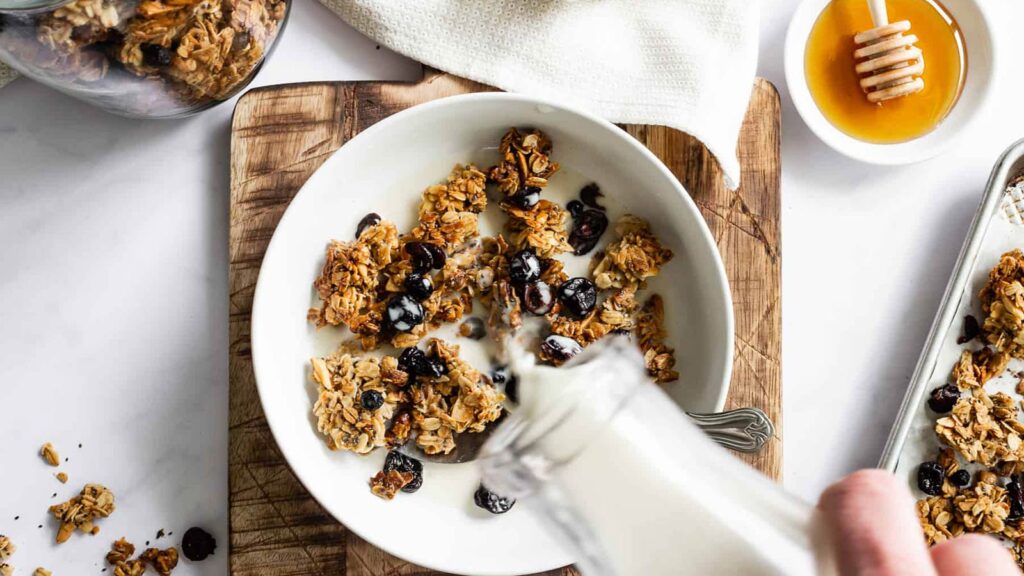
To understand the health implications of breakfast cereal, we must look beyond the colorful packaging and dive into the nutritional science behind the bowl.
The Unrivaled Convenience of the Cereal Bowl
There is no denying that cereal is the king of convenience. For decades, marketing campaigns have framed it as the “complete breakfast” when paired with milk and a … Read more